Faces do not age evenly. They deflate, shift, and fold according to each person’s anatomy and life story. When deep wrinkles set in, the temptation is to chase each line with a syringe. In practice, the best dermal filler results come from respecting where volume was lost and where structure has weakened. The line is a symptom. The cause is usually a blend of bone resorption, fat pad descent, ligament laxity, and skin thinning. When volume restoration matters, a thoughtful approach to injectable fillers can soften deep creases, lift shadows, and restore support with a natural, rested look.
What “deep wrinkles” really mean
Two wrinkles can look alike on the surface and have very different causes. A static groove carved into the mid-cheek might reflect fat pad separation and loss of midface projection. A stubborn fold running from nose to mouth often sits under a hefty nasolabial fat pad that has shifted forward. Marionette lines dermal fillers near me combine midface descent with poor chin support and downturned mouth corners. The same is true under the eyes, where a hollow tear trough can be compounded by thin skin, a prominent orbital rim, or fluid retention.
I ask patients to describe what bothers them and when it looks worst. If the fold deepens when they smile but remains visible at rest, we have a dynamic component on top of a static depression. If it is still obvious when the face is expressionless, we likely need structural lifting, not just wrinkle fillers. A dermal filler treatment that lifts the cheek, for instance, can make nasolabial folds look shallower before a single drop is placed in the fold. That is the heart of volume restoration.
Choosing the right tool for the job
Most practices use a range of face fillers because gels behave differently under the skin. Thicker products hold shape and resist compression. Softer gels drape beautifully in areas that need bend rather than push. Here is how I think about the main families of cosmetic fillers used for deep lines and volume loss.
Hyaluronic acid fillers dominate because they are versatile, come in a spectrum of viscosities, and can be dissolved with hyaluronidase if needed. For deep structural work in the cheek or jawline, I choose a high G prime HA that integrates but holds lift. For under eye fillers, a smooth, lower concentration HA placed with precision along bone avoids puffiness and the Tyndall effect.
Calcium hydroxyapatite microspheres, a collagen stimulator suspended in gel, offers firm lift in areas like marionette lines and jawline contour. It is not ideal in very superficial planes, and it is not reversible in the same way as HA. It can be hyperdiluted to act more like a skin quality treatment or used undiluted for structure.
Poly-L-lactic acid works as a biostimulatory powder reconstituted in water. It triggers collagen over months, so it is not a same day dermal filler in terms of visible correction. For diffuse volume loss in the lower face, especially in patients with weight loss, it can rebuild the scaffold in a subtle, global way. It does not lend itself to micro-adjustments for fine contours, and it requires massage and patience.
PMMA microspheres in collagen gel provide a permanent option with careful selection. It is not the first choice for a novice injector or for areas likely to change with weight or dental shifts. I mainly consider it for acne scars or very specific cases where a long term correction is sensible and the patient understands the commitment.
For deep wrinkles that trace back to skeletal support, chin augmentation fillers and cheek augmentation fillers reshape the foundation. When the goal is https://batchgeo.com/map/dermal-fillers-in-new-york-ny skin drape and line blur at the surface, softer skin fillers excel. The artistry is matching product rheology to anatomy and movement.
Where filler makes the biggest difference for deep creases
Nasolabial fold fillers once meant placing product directly into the groove. Today, I start by rebalancing the midface with cheek lift fillers. Providing lift on the zygomatic arch and lateral cheek restores contour and often softens the fold by 20 to 40 percent before I touch it. If a residual crease remains, a modest amount of gel, usually a mid-weight HA, layered deep along the piriform aperture and subcutaneous plane finishes the job. The result reads as younger and more balanced, not bloated.
Marionette line fillers benefit from addressing chin support first. If the chin is weak, chin sculpting fillers in the pre-jowl sulcus and along the pogonion improve jawline definition and smooth the labiomandibular fold. When the DAO muscle pulls the mouth corners down, a tiny dose of neuromodulator can complement filler for a lift that looks soft rather than stretched.
Under eye fillers, often called tear trough fillers, are not wrinkle erasers. They are shadow erasers. A careful under eye filler treatment along bone can reduce the hollow and the appearance of dark circles, but it must be conservative. Thin skin magnifies errors. I treat edema-prone patients by correcting the adjacent midface first and only addressing the trough if the hollow truly persists. When needed, a smooth HA in tiny aliquots with a cannula is my preference.
For deep horizontal chin lines, often a blend of bone and soft tissue, low dose neuromodulator to relax mentalis plus a line of soft HA intradermally improves the crease and the chin’s overall texture. The change is subtle and real.
Acne scarring and etched perioral lines respond to micro filler injections with soft HA, often paired with energy devices or resurfacing later. Deep rolling scars can benefit from subcision and a touch of gel as a spacer. Here, filler for acne scars is part of a plan, not the entire solution.
Liquid facelift, full face thinking
When people ask for a non surgical face lift with fillers, what they usually want is a return to lift and smooth transitions. A liquid facelift does not lift tissue like a scalpel, but it can simulate youthful vectors by adding volume where bone and fat have diminished. I map the face in thirds. Upper face improvement comes more from neuromodulators and skin treatments. Midface volume moves the needle most for deep folds, and lower face contour sharpens jawline and chin. Full face dermal fillers, placed with intention, create harmony that spot injections cannot.
I worked with a patient in her early sixties who disliked her smile lines and marionette lines. She asked for smile line fillers alone, and her photos showed flattened lateral cheeks and a weak chin. We began with 2 to 3 syringes of cheek fillers to rebuild the apex and lateral cheek, then a conservative 1 to 1.5 in the chin and pre-jowl sulcus for jawline contour. Only then did we place 0.5 per side into the nasolabial folds. Her words at review: “The lines are better, but my whole face looks right again.” That is the point.
Safety is a skill, not a brochure
Dermal filler injections are medical procedures. The most feared complication is vascular occlusion. Depth, product choice, needle or cannula, and exact placement all matter. In high risk zones like the nasolabial and glabellar regions, I slow down, use small amounts, aspirate where appropriate, and read tissue response. A specialist should always have hyaluronidase on hand for hyaluronic acid fillers and a clear protocol for managing suspected compromise. If you are searching dermal fillers near me, look beyond proximity to training, experience with complications, and a clinic culture that prioritizes safety.
Other risks include bruising, swelling, tenderness, and less commonly nodules or delayed inflammatory reactions. Under eye fillers can cause the Tyndall effect if placed too superficially, leading to a bluish hue. Swelling in the tear trough can last weeks in sensitive patients. Lip fillers can look overfilled or migrate if technique or product choice is poor. There is no such thing as zero risk, only transparent risk management.
How long results last and what maintenance looks like
Duration depends on product, placement, metabolism, and movement. Hyaluronic acid fillers placed deep along bone in the cheeks can last 12 to 24 months. In dynamic areas like lips, expect 6 to 12 months. Jawline fillers and chin fillers often show durable results for a year or more. Calcium hydroxyapatite and poly-L-lactic acid rely on your own collagen, so improvements can last 12 to 24 months after a series, with maintenance once a year or so.
I tell patients to think in terms of a foundation phase and a steady state. The foundation phase may take 2 to 4 sessions over 3 to 6 months to reach the shape you love. After that, touch ups once or twice a year take smaller amounts. Incremental work keeps features natural looking and budgets predictable.
Cost, value, and planning
Dermal filler cost varies by city, injector expertise, and product. In many US markets, HA syringes run 550 to 1,000 dollars per syringe. Biostimulators are often priced per vial, 700 to 1,200 dollars. A full face plan for volume restoration might involve 3 to 8 syringes over time. You do not need to do it all in one appointment. Spacing treatments allows for assessment and reduces swelling burden.
Affordable dermal fillers means aligning the plan with priorities. If deep nasolabial folds drive you crazy, but budget is tight, lifting the cheek first may give the best return on investment. If lips feel thin and aged, subtle lip enhancement injections can refresh the mouth even before you address lower face sagging. A good filler consultation sets expectations and helps you decide what matters most now.
The anatomy behind common requests
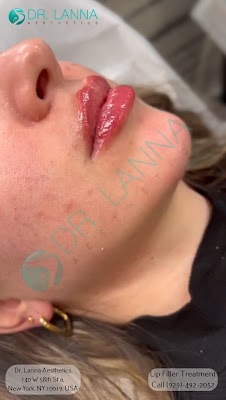
Lip fillers: Small changes matter. Most natural looking fillers in lips focus on border definition, hydration, and gentle volume. Overfilling removes youthful shape. I prefer hyaluronic acid lip fillers that hold form without stiffness. A 0.5 to 1.0 syringe can do more than you think.
Cheek augmentation fillers: The cheek is not a balloon. Different points create lift, projection, or softness. Placing product too medially can make the nasolabial area bulky. Lateral cheek points restore contour without crowding the center face.
Jawline contour fillers: These sharpen transitions from face to neck. In men, a squarer angle suits the aesthetic. In women, a cleaner line with a soft angle works well. Overfilling the posterior jaw invites a boxy, heavy look.
Chin augmentation fillers: A millimeter here is visible. The chin affects the neck profile, lip posture, and marionette region. I check occlusion and dental status in advance. A poor bite can change how filler reads on the face.
Under eye fillers: The lower lid cheek junction tells the story. Many under eye complaints are midface problems wearing an under eye costume. Correct the midface first, then reassess the trough.
When filler is not the answer
Filler for sagging skin has limits. If the frame has dropped significantly, adding volume can camouflage but not correct. Heavy jowls, redundant neck skin, and deep platysmal bands respond better to surgery or energy based tightening. Filler cannot shrink skin meaningfully. It can hide the shadow of a fold and improve transitions, but at some point you are stacking material against gravity.
Wrinkles from muscle overactivity, like crow’s feet or glabellar lines, improve most with neuromodulators. Static lines etched into skin respond to resurfacing and collagen induction. A layered plan often beats any single modality.
What a sensible appointment looks like
A dermal filler appointment should feel unhurried. Photos, anatomy review, and discussion come first. Makeup is removed, skin is cleaned with antiseptic, and topical or local anesthetic is used as needed. Good injectors narrate what they are doing, which helps patients relax. After injection, gentle molding may occur, and you receive recovery guidance.
Expect mild swelling for 24 to 72 hours. Bruising varies. Under eyes can look puffy for a week or longer in some patients. Lips swell early, then settle. Cheeks and jawline are usually the easiest recoveries. If you see blanching skin, increasing pain, dusky color, or livedo patterns post treatment, contact the clinic immediately. Time matters in vascular events.
Quick self check before you book
- Your top concern is a deep crease that persists at rest, and you are open to treating support areas, not just the line. You can return for follow up and understand that multi session plans often give better results. You accept that subtlety looks more like youth than maximal volume. You are willing to avoid strenuous exercise, heat, and alcohol for a short period after injections. You have chosen a dermal filler specialist comfortable discussing risks, alternatives, and complication management.
Aftercare that helps results last
- Ice in short intervals for the first few hours to reduce swelling, then switch to gentle cool compresses as needed. Keep the area clean, avoid makeup for 12 to 24 hours, and skip saunas and hot yoga for 48 hours. Sleep with head elevated on the first night if you had under eye or cheek filler. Avoid dental procedures and facial massages for two weeks, especially after midface and under eye filler. Report unusual pain, mottling, or vision changes immediately.
Natural does not mean invisible
Natural looking fillers are not the same as undetectable. They look like you on a good day, in good light, from every angle. The profile lines connect. The cheeks cast softer shadows. The mouth sits neutral instead of downturned. Friends may say you look rested, or that a new hairstyle suits you. Good work often disappears in plain sight.
Patients sometimes worry about migration. True migration, where filler moves far from its original plane, is uncommon with correct product choice, conservative amounts, and proper technique. What people call migration is often swelling, edema, or soft tissue change over time. This is another reason to use temporary dermal fillers first when trying a new area and to pace treatments so you can judge how your tissue behaves.
A few practical details that make a difference
Skin prep matters. I clean with chlorhexidine or alcohol and let it fully dry. For higher risk areas, I prefer a cannula after creating an entry point with a fine needle. Cannulas glide and tend to bruise less, but needles offer precision for specific points along bone. Both tools have a place.
Product temperature influences flow. Warming HA slightly can ease placement in delicate planes. Tiny aliquots beat big boluses when refining contours. I stop often, sit the patient up, and assess in natural light. Faces are not symmetric, and they do not need to be. They need to be balanced.
For those seeking same day dermal fillers, I still block time for consent, photos, and a measured plan. Rushing creates avoidable problems. A quick dermal filler treatment can be done safely, but only with a rhythm that respects assessment and hygiene.
Timelines for common areas
- Under eye fillers: visible change right away, expect refinement over 2 to 4 weeks as swelling settles. Nasolabial fold fillers: immediate softening, best assessment at 10 to 14 days. Cheek fillers: instant lift, continues to integrate over 1 to 3 weeks. Chin fillers and jawline definition fillers: sharp improvements at once, with edges mellowing slightly as tissue settles. Lip plumping fillers: day 3 to 7 is the truth, early swelling can mislead.
These are typical ranges, not guarantees. Metabolism, sleep, salt intake, and travel affect swelling and perception.
Training, product pedigree, and your questions
Choose a provider who can explain why a certain gel suits a specific plane. FDA approved dermal fillers have published data on indications and longevity. Off label use is common in aesthetic medicine, but it should be grounded in anatomy and backed by experience and consent. Ask to see dermal filler before and after photos that resemble your face, not just perfect lighting or heavy makeup. A dermal filler clinic that documents, follows up, and invites questions usually delivers better care.
If you are weighing best dermal fillers for a given area, ask how the injector evaluates skin thickness, ligament support, and fat pad position. There is no single best filler for deep wrinkles, only smart matching. Premium dermal fillers have their place, but so do affordable dermal fillers when the technique is right. Advanced dermal fillers and micro filler injections are tools. The plan and the hands using them create the results.
How fillers fit with other treatments
Anti aging injections cover a spectrum. Neuromodulators relax lines from movement. Soft tissue fillers restore volume and smooth transitions. Energy devices can tighten and boost collagen. Skin rejuvenation fillers, like diluted CaHA or low concentration HA, improve texture and fine lines. Aesthetic filler treatment works best in a program that may include skincare, sun protection, and, in some cases, strategic resurfacing.
For smokers or heavy sun exposure, collagen quality lags behind. Wrinkle fillers can only do so much if skin is crepe-like and dehydrated. Hydration, retinoids, and procedural resurfacing make filler results look better and last longer.
When volume restoration changes everything
I remember a gentleman in his late fifties, an avid cyclist, with hollow cheeks and deep marionette lines. He insisted he did not want to look “done.” We built a plan around facial volumizing fillers that prioritized lateral cheek and chin support, with subtle marionette correction. Total product used over two sessions was under 6 syringes. The after was not a different face, it was his pre-ride, well-rested face from a decade ago. He kept his lean look, just lost the gaunt sharpness that read as fatigue. He wrote later that colleagues asked if he had taken a vacation.
That is the promise of volume restoration. It does not chase every crease. It restores the scaffolding so that skin has somewhere to land.
Final thoughts for those considering filler for deep wrinkles
Start with the cause, not the line. Respect anatomy. Use injectable fillers that match the job, from hyaluronic acid fillers for adjustability to collagen stimulators when diffusion is the goal. Accept that deep wrinkles rarely vanish with a single syringe in a single spot. Think in shapes, shadows, and support. The right plan blends structure with softness so that you look like yourself on your best day, from morning light to evening photos.
Whether you want subtle lip fillers, best fillers for under eyes, or a broader facial contouring approach, choose a dermal filler specialist who listens first and injects second. Safety, restraint, and a clear eye for proportion age better than any trend. If you do that, your filler results will read less as cosmetic fillers and more as youthful skin fillers, which is the quiet compliment most people are after.